Search is changing faster than ever.SEO, AEO & GEO: Understanding the Future of Search Visibility Earlier, digital marketing was mainly focused on one question:
“How can I rank higher on Google?”
Today, that question has become much broader.
People are searching through Google, asking questions directly to AI tools, using voice search, and expecting instant answers instead of scrolling through multiple websites.
This change has created three important areas of focus for digital marketers:
SEO – Search Engine Optimization
AEO – Answer Engine Optimization
GEO – Generative Engine Optimization
Understanding how these three work together can help businesses build stronger and more sustainable online visibility.
What Is SEO?
SEO, or Search Engine Optimization, is the process of improving a website so that search engines can understand its content and rank it for relevant searches.
Traditional SEO focuses on areas such as:
- Keyword research
- On-page optimization
- Technical SEO
- Content optimization
- Internal linking
- Backlink building
- Local SEO
- Website performance
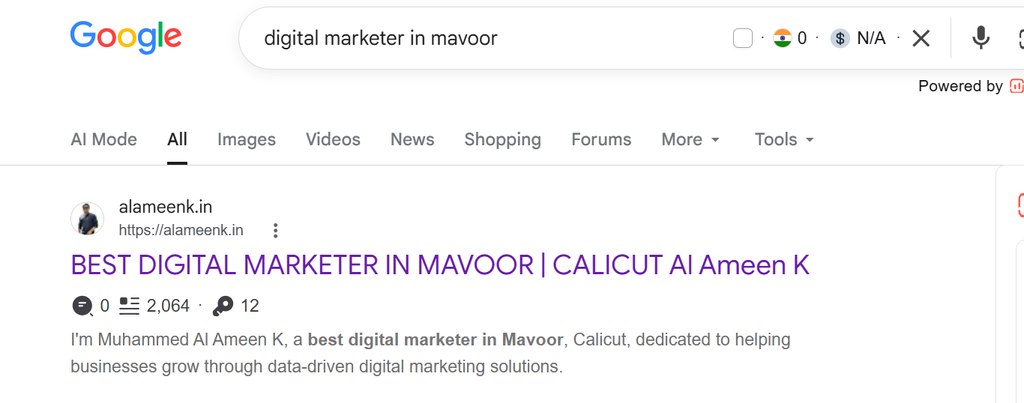
For example, if someone searches for “digital marketing services in Calicut,” a well-optimized website has a better opportunity to appear in relevant search results.
However, SEO is no longer only about adding keywords to a webpage.
Search engines are becoming better at understanding search intent, context, entities, and content quality.
That leads us to AEO.
What Is AEO?
AEO stands for Answer Engine Optimization.
Instead of focusing only on ranking a webpage, AEO focuses on making content useful for answering specific questions.
Think about searches such as:
- What is SEO?
- How does Google Search work?
- What is the difference between SEO and AEO?
- How can a business improve local visibility?
People increasingly expect search engines to provide direct and useful answers.
AEO therefore focuses on creating content that clearly answers real questions.
Some important AEO practices include:
Clear question-and-answer structures
Create content around the questions your audience actually asks.
Concise answers
Give a direct answer before going into deeper explanation.
Structured content
Use headings, lists, tables, FAQs, and clearly organized sections.
Search intent
Understand why someone is asking a particular question rather than focusing only on the keyword.
AEO doesn’t replace SEO.
Instead, it builds on strong SEO fundamentals.
What Is GEO?
GEO stands for Generative Engine Optimization.
The growth of AI-powered search has introduced another challenge for digital marketers.
Users can now ask AI systems complex questions and receive summarized responses instead of traditional lists of search results.
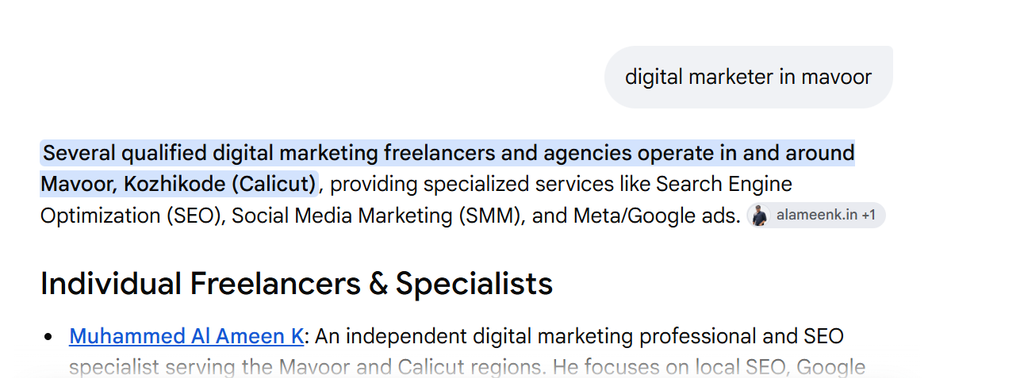
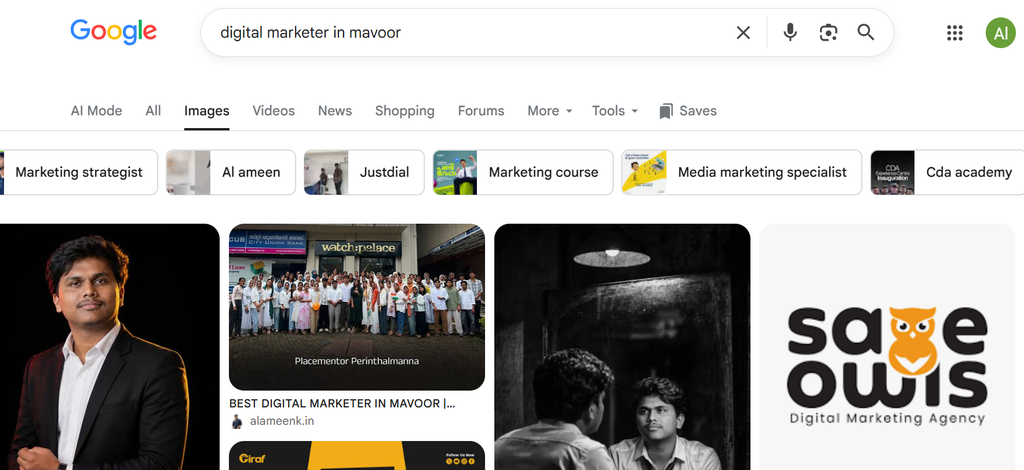
GEO focuses on making your content easier for generative AI systems to understand, identify, and potentially use when generating answers.
This makes content authority, factual clarity, context, and credibility increasingly important.
For example, instead of simply targeting:
a GEO-focused content strategy might also address broader questions such as:
- How does SEO help local businesses?
- What should a business consider before hiring an SEO professional?
- How is local SEO changing?
- What are the important SEO trends businesses should understand?
The goal is to build content that demonstrates genuine knowledge rather than simply targeting search terms.
SEO + AEO + GEO: How They Work Together
These three approaches should not be treated as completely separate strategies.
Think of them as three layers of modern search visibility. Future of Search Visibility
SEO helps search engines discover and understand your website.
AEO helps your content provide clear answers to specific questions.
GEO helps your content become useful in the emerging AI-driven search environment.
A strong digital marketing strategy can combine all three.
For example, a business blog could:
- Research what the audience is searching for.
- Create high-quality content around the topic.
- Optimize the page technically and semantically.
- Answer important questions clearly.
- Add relevant internal and external references.
- Demonstrate experience and expertise.
- Structure information so both search engines and AI systems can understand it. Future of Search Visibility
The Importance of Helpful Content
One major mistake in modern SEO is creating content only for algorithms.
Search engines and AI systems are becoming increasingly sophisticated.
Simply repeating a keyword multiple times does not create valuable content.
Instead, content should provide:
- Real information
- Practical examples
- Clear explanations
- Original insights
- Relevant context
- Credible references
- A good user experience
The best approach is simple:
Create content for people first, while making it easy for search systems to understand.
What Should Digital Marketers Focus On?
The future of search isn’t about choosing between SEO, AEO, and GEO.
It’s about understanding how they complement each other.
A modern content strategy should start with search intent, move into useful and well-structured content, and then focus on making that content technically accessible, trustworthy, and understandable.
Digital marketing is moving from:
“How do I rank?”
to:
“How do I become a useful and trusted source of information?”
That shift is important for anyone working with websites, content marketing, SEO, social media, and online business growth.
Final Thoughts of the Future of Search Visibility
SEO is not disappearing.
AEO is not replacing SEO.
GEO is not simply another keyword optimization technique.
Instead, they represent different parts of the changing search ecosystem.
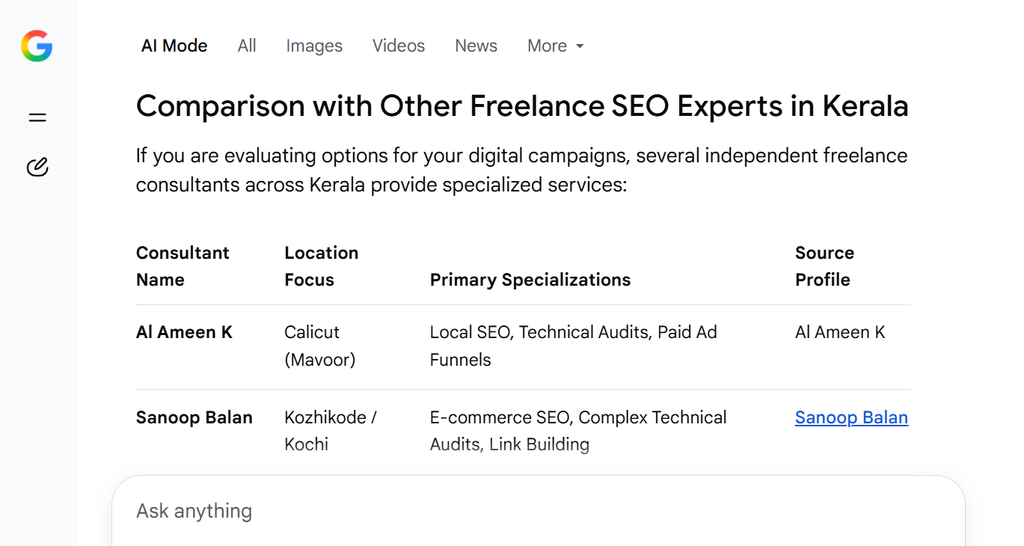
Businesses that understand SEO + AEO + GEO can build a stronger foundation for visibility across traditional search engines and emerging AI-powered discovery platforms.
The future of search belongs to content that is useful, trustworthy, understandable, and genuinely valuable.
And for digital marketers, that means the focus should not only be on ranking pages—but on building digital authority.